
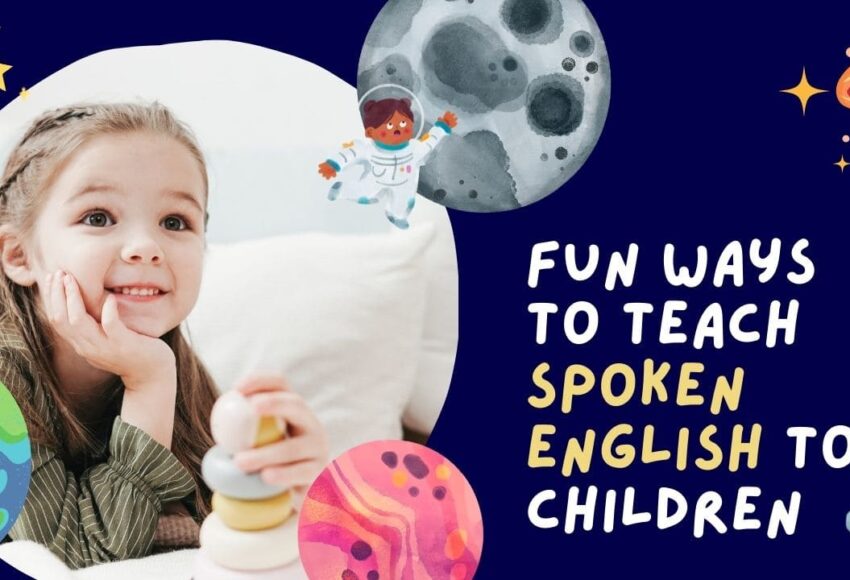
Fun Ways to Teach Spoken English to Children
Teaching spoken English to children doesn’t have to feel like schoolwork. In fact, kids learn best when they’re having fun, playing, and interacting with their environment. Whether you’re a parent, tutor, or teacher, using creative and engaging methods can make the learning process more effective and enjoyable.
In this guide, we’ll explore fun and practical ways to teach spoken English to kids, along with tips to keep them motivated and confident.
🎯 Why Spoken English Matters for Kids
In today’s global world, English is more than just a subject — it’s a life skill. Learning to speak English fluently from an early age can help children:
- Communicate confidently in school and beyond
- Access better academic and career opportunities
- Interact with a global audience
- Build strong communication and social skills
The good news? Children learn languages faster than adults — especially when it’s fun and interactive!
🧒 Top 10 Fun Ways to Teach Spoken English to Children
1. Storytelling and Read-Aloud Sessions
Children love stories! Reading books aloud or telling stories helps:
- Improve pronunciation
- Introduce new vocabulary
- Spark imagination
Try this: Use colorful picture books or animated e-books. Pause to ask simple questions like: “What do you think will happen next?”
2. Role-Play Games
Kids love pretending to be teachers, shopkeepers, doctors, or superheroes.
Benefits:
- Encourages creative expression
- Builds sentence structure and fluency
- Reduces fear of making mistakes
Example: Set up a pretend shop and ask, “What would you like to buy?”
3. English Songs and Rhymes
Music is a great way to boost memory and pronunciation. Classic English rhymes or action songs keep children engaged while they learn.
Popular choices:
- “Old MacDonald Had a Farm”
- “If You’re Happy and You Know It”
- “The Wheels on the Bus”
Bonus Tip: Use karaoke versions or YouTube lyric videos to sing along.
4. Word Games and Flashcards
Flashcards and vocabulary games help build confidence with everyday words.
Fun ideas:
- Memory match: Match words with pictures
- Word bingo: Use simple vocabulary like colors, animals, or foods
- Guess the object: “I’m thinking of something that’s round and red…”
5. Use English in Daily Conversations
Make English part of your everyday routine at home or in class.
Examples:
- “Can you pass me the spoon?”
- “What did you eat for lunch today?”
- “Let’s go to the park after dinner.”
The more they hear and use English naturally, the better they speak.
6. Interactive Videos and Cartoons
English cartoons and educational shows expose children to natural speech, accents, and sentence patterns.
Top Picks:
- Peppa Pig
- Dora the Explorer
- Sesame Street
- Super Simple Songs (YouTube)
Choose shows with clear speech and subtitles if possible.
7. Picture Description Activities
Show a picture and ask children to describe what they see.
Prompts:
- “Who is in the picture?”
- “What are they doing?”
- “How do they feel?”
This builds vocabulary, grammar, and speaking fluency all at once.
8. English Speaking Buddies
Pair children up to practice English conversations with each other. Peer interaction helps reduce hesitation and increases comfort.
Example conversation starters:
- “What’s your favorite color?”
- “Do you have a pet?”
- “What games do you like?”
You can even arrange online language exchange sessions with native-speaking kids.
9. Use Technology and Apps
Many kid-friendly apps are designed to improve spoken English through games and speech recognition.
Popular apps:
- Duolingo for Kids
- Lingokids
- Fun English by Studycat
- BBC Learning English (for older kids)
Limit screen time, but make it meaningful!
10. Encourage Mistakes and Celebrate Progress
One of the biggest hurdles for children is fear of speaking wrong. Celebrate every small success!
- Don’t interrupt to correct every mistake
- Use positive reinforcement: “That was a great sentence!”
- Make learning a game, not a test
Confidence is more important than perfect grammar in the beginning.
🧠 Tips for Parents and Teachers
- Be patient: Every child learns at their own pace
- Repeat and revise: Kids need repetition to remember
- Keep it short and sweet: Use short sessions with variety
- Use visual aids: Pictures, videos, and gestures help
- Lead by example: Speak English with confidence around them
🎓 Final Thoughts
Teaching spoken English to children doesn’t have to be boring or stressful. In fact, the more playful and engaging it is, the more effective it becomes.
With games, songs, stories, and everyday conversations, children can learn to speak English naturally and confidently — without even realizing they’re “studying.”
Remember: Learning should feel like play, not pressure. Let them enjoy the journey of discovering a new language.
Leave a Comment