
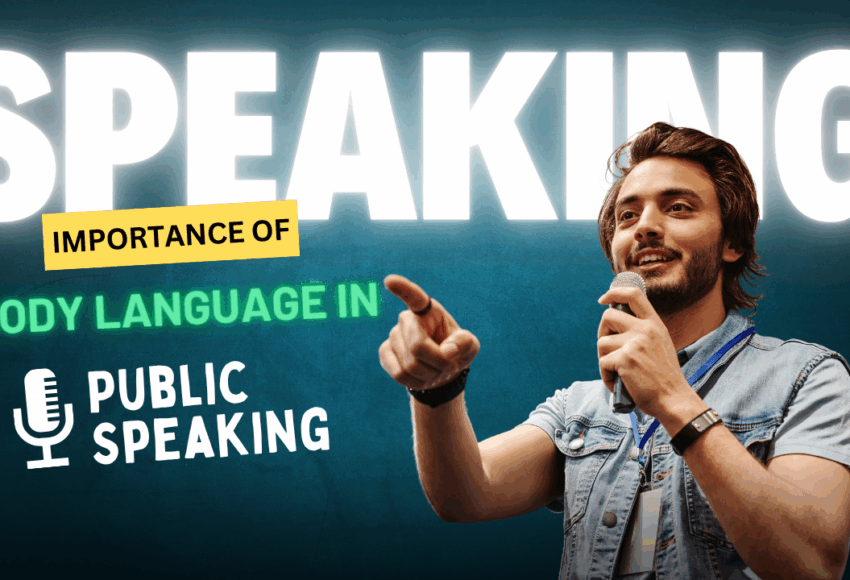
Importance of Body Language in Public Speaking
Public speaking is more than just the words you say — it’s about how you say them. While your speech’s content is important, your body language can either enhance or weaken your message. Studies show that over 50% of communication is non-verbal, meaning your gestures, posture, eye contact, and facial expressions play a huge role in audience engagement.
In this blog, we’ll explore why body language is essential in public speaking, common mistakes to avoid, and practical tips to master it like a pro.
Why Body Language Matters in Public Speaking
Body language influences how your audience perceives you and your message. Even if your speech is perfectly written, poor body language can make you appear nervous, unprepared, or untrustworthy. On the other hand, confident and open body language can:
- Build credibility and trust
- Keep the audience engaged and interested
- Reinforce your spoken message
- Create a strong emotional connection
In short, body language is the bridge between your words and your audience’s understanding.
Key Elements of Body Language in Public Speaking
1. Posture
Standing tall with your shoulders relaxed instantly makes you appear confident. Avoid slouching or crossing your arms, as it signals disinterest or nervousness.
Tip: Imagine a string pulling you up from the top of your head — this keeps your posture open and inviting.
2. Eye Contact
Eye contact is one of the most powerful tools for connection. It makes your audience feel acknowledged and engaged.
Best Practice:
- Divide the audience into sections and make brief eye contact with people in each area.
- Avoid staring at one person for too long or looking over people’s heads.
3. Facial Expressions
Your face should match your words. Smiling when sharing positive points and showing genuine concern during serious moments adds authenticity.
Mistake to Avoid: A blank face or constant frown can make you seem disconnected.
4. Gestures
Hand movements can emphasize your points, but overdoing them can be distracting.
Pro Tip:
- Use open hand gestures to appear approachable.
- Avoid pointing aggressively, fidgeting, or crossing your arms.
5. Movement on Stage
Walking with purpose can help maintain audience interest. However, pacing aimlessly can make you appear anxious.
Guideline: Move when transitioning between points or when engaging different audience sections.
6. Voice and Tone
Though technically verbal, tone is closely tied to body language. The way you project your voice can show confidence, excitement, or seriousness.
Quick Tip: Practice varying your pitch and pace to keep listeners engaged.
Common Body Language Mistakes in Public Speaking
Even experienced speakers can fall into body language traps. Here are some to watch out for:
- Fidgeting with clothes, hair, or objects
- Avoiding eye contact entirely
- Overusing repetitive gestures
- Facing away from the audience
- Speaking in a monotone voice
- Poor posture that makes you look unsure
Recognizing these habits is the first step toward improving them.
Tips to Improve Body Language in Public Speaking
1. Practice in Front of a Mirror or Camera
Recording yourself allows you to see what your audience sees and make necessary adjustments.
2. Get Feedback
Ask a friend, colleague, or mentor to watch your presentation and give honest feedback about your body language.
3. Match Your Energy to Your Message
If your topic is exciting, show enthusiasm through your movements and expressions. For serious topics, adopt a more grounded and calm presence.
4. Control Nervous Habits
Be aware of any tics like tapping your foot or playing with your pen, and work to eliminate them.
5. Rehearse with Stage Conditions
If possible, practice in the same space where you’ll be presenting to get comfortable with your surroundings.
The Psychological Impact of Good Body Language
Positive body language can trigger mirror neurons in your audience, causing them to subconsciously reflect your confidence and energy. This not only makes them more receptive to your message but also boosts your own self-assurance.
Final Thoughts
Public speaking is an art that blends words and physical presence. Mastering body language can transform an average speaker into an inspiring communicator. Whether you’re presenting to a small team or a large audience, remember — your body speaks louder than your words.
By practicing open posture, making meaningful eye contact, using expressive gestures, and moving with intention, you can deliver speeches that leave a lasting impression.
Leave a Comment